


23 Nov Parental Rights and the Limits of Federal Court Review
The federal government recognizes that parents have a constitutional right to the care, custody, and companionship of their children. However, questions are often raised about why federal courts do not play a larger role in reviewing or intervening in state court decisions that affect these rights.
One explanation lies in the structure of the U.S. legal system. Family law is primarily handled at the state level, and federal courts are generally limited in their ability to review state court judgments. Under the Rooker–Feldman doctrine, federal district courts typically lack jurisdiction to hear cases that effectively seek to challenge or overturn final state court decisions. As a result, many parental rights claims that stem from state court rulings are dismissed before being fully heard in federal court.
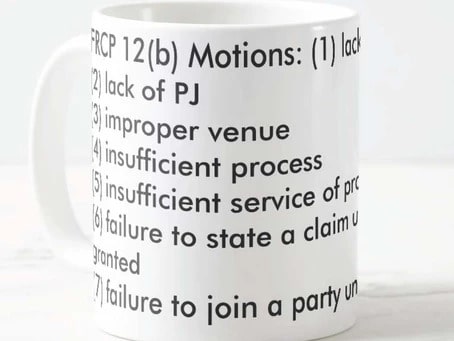
In addition, federal civil procedure rules—such as Federal Rule of Civil Procedure 12(b)—allow defendants to seek dismissal of complaints that are unclear, insufficiently supported, or request relief the court cannot grant. For example, claims against judges or court-appointed professionals may be barred by doctrines like judicial or quasi-judicial immunity, which limit the ability to recover damages. These legal constraints often narrow the types of remedies available in federal court.
Federal courts may also dismiss cases on their own initiative (sua sponte) for reasons such as lack of jurisdiction, improper venue, or failure to comply with procedural requirements. Because of these limitations, it is relatively uncommon for federal courts to overturn or directly intervene in state court custody decisions.
Given this framework, many observers emphasize that the most critical stage for protecting parental rights is within the state court system itself, where custody determinations are made. Some advocates argue that additional procedural safeguards—such as expanded access to jury trials in certain jurisdictions—could provide greater oversight in these cases.