


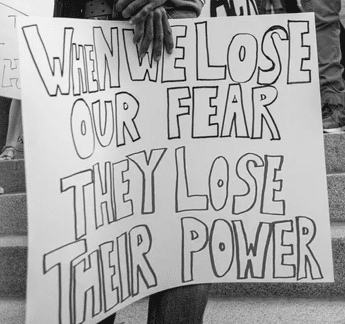
23 Jul Are the family and juvenile dependency courts “Fear-Mongering”?
In dependency courts, social workers—empowered by judges—often use fear‑based tactics that go far beyond what most parents ever imagined. Jury trial rights remain the strongest check against government overreach and one of the most effective tools for restoring fairness and accountability in family‑law proceedings as well as promoting settlement.
1. The U.S. family‑court system handles more cases annually than criminal courts
Yet they operate with far fewer procedural protections—no jury trials, limited oversight, and broad judicial discretion.
2. The divorce and custody industry is estimated at $50 billion per year
This includes attorneys, custody evaluators, mediators, therapists, supervised‑visitation centers, and court‑appointed professionals. The financial incentives often grow when conflict grows.
3. Dependency courts can remove children on a “preponderance of evidence” standard
This is one of the lowest civil burdens of proof-meaning that the judge only needs to believe something is slightly more likely than not (just over 50% certainty). By contrast, criminal courts require proof “beyond a reasonable doubt” the highest standard in our legal system.
Family courts operate differently. They can restrict or remove a parent’s custody using the “best interest of the child” standard—a deliberately broad and flexible guideline that gives judges wide discretion. Because “best interest” is not tied to a measurable legal threshold, it can be interpreted in many ways, effectively giving family‑law judges extraordinary power to alter or remove a parent’s legal rights to their own child with far less proof than would ever be required in other courts.
4. Most parents in dependency court never receive a trial of any kind
Over 95% of dependency cases end in settlements, stipulations, or uncontested findings—often because parents fear harsher outcomes if they fight the allegations.
5. Children in high‑conflict custody battles show stress levels similar to combat veterans
Research on cortisol levels and trauma symptoms shows that prolonged, court‑driven conflict can create chronic stress in children at levels comparable to environments associated with PTSD. Parents, however, understand that love, not rigid time‑splits, is what sustains a healthy lifelong relationship with their child. They also know they do not need to see their child exactly 50% of the time for that bond to remain strong.
The real goal should be helping families settle outside of these court systems, where fear‑based tactics and escalating conflict often do more harm than good. Join RaiseYourRights today.